It's Saturn's 'Time To Shine' But Not A Once In 500 Years Event This Time
Tonight, Saturn is at opposition, which is just astro lingo to say that the Earth is right between the Sun and Saturn. This means that Saturn is at its closest and brightest, and it will be nice and visible for a while.
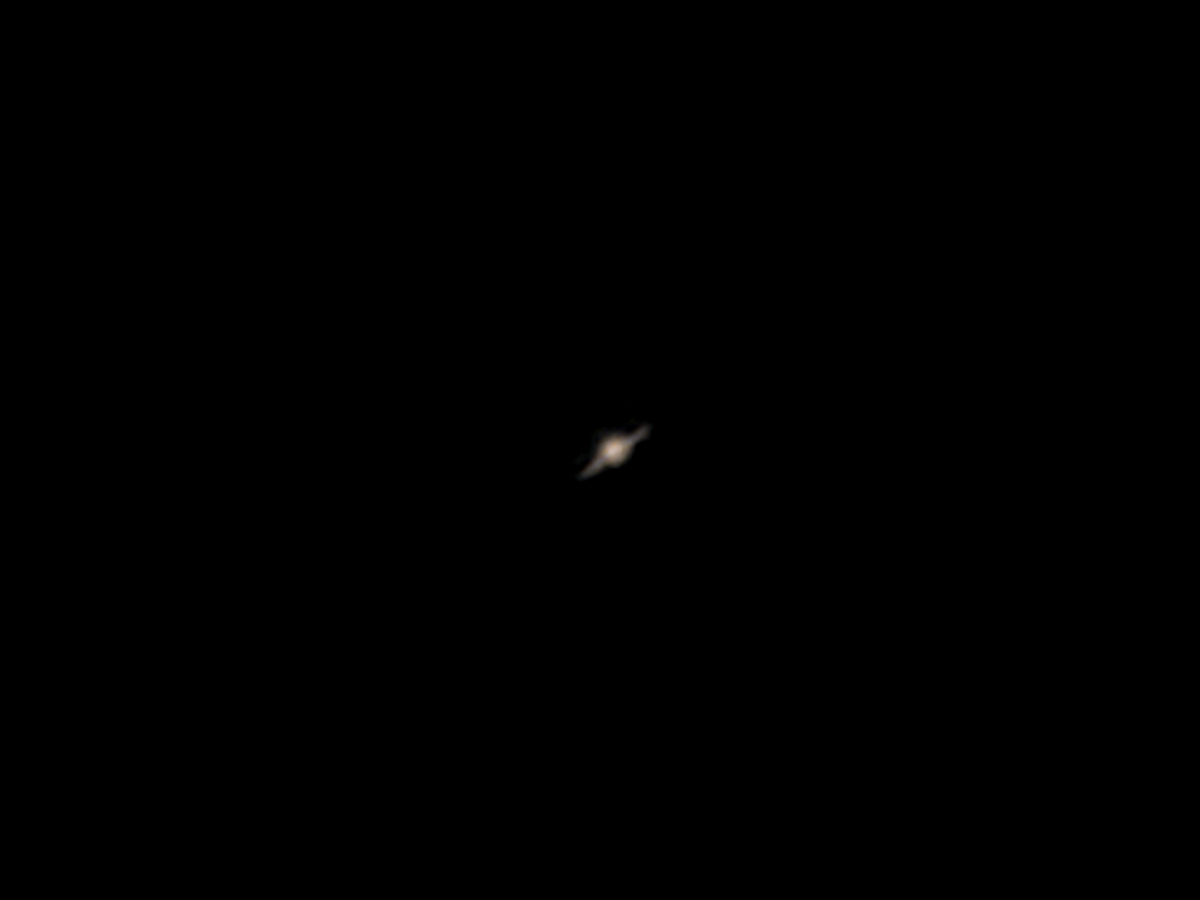
If you are thinking "shouldn't Saturn get a little eclipse as the Earth passes in front of the Sun?", then that would be a fun good guess, but no, not this time. But when it happens, it's very special.
The orbits of the solar system are all a bit misaligned, and while the 8 major planets are all within a few degrees, to get a proper alignment it takes years. Maybe let's start closer to home with my fave: eclipses!
 Alfredo Carpineti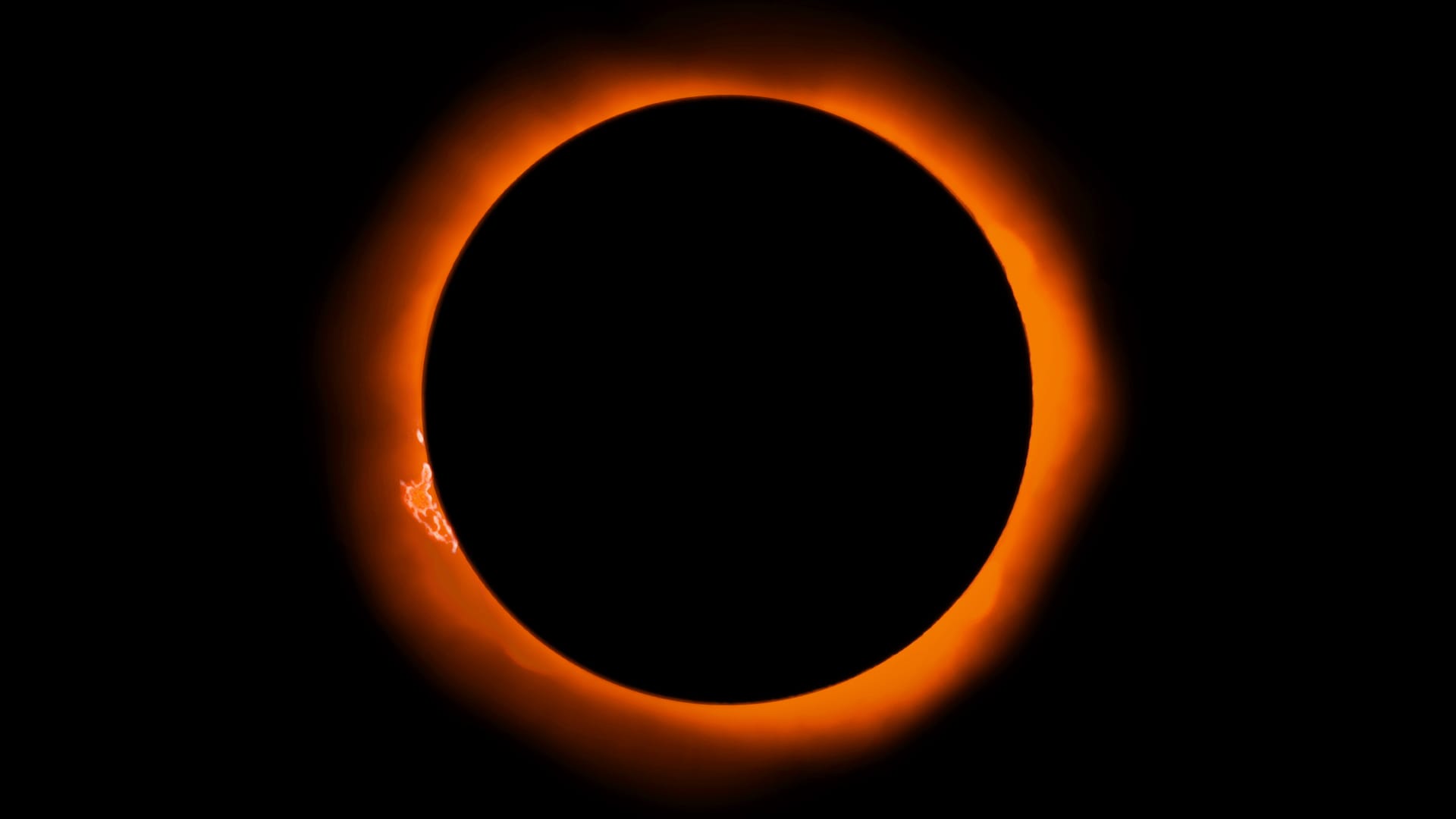
The Moon is at opposition every month: that's a regular full Moon. And while the Earth is between the Sun and the Moon we can clearly see that the Moon is fully illuminated. The occasions where the Moon is not, those are the lunar eclipses.
They do not happen every month because the orbit of the Moon is also misaligned; it has a 5 degrees slant with respect the orbit of the Earth around the Sun. The point where the Moon crosses the plane with the orbit of the Earth is called a node. To have eclipses you need the Moon being at a node during the full moon (lunar eclipses) or the new moon (solar eclipses).
Basically, the Sun, Earth, and Moon need to be in a straight line. This is known as a syzygy. An excellent word that count for 25 points in Scrabble.
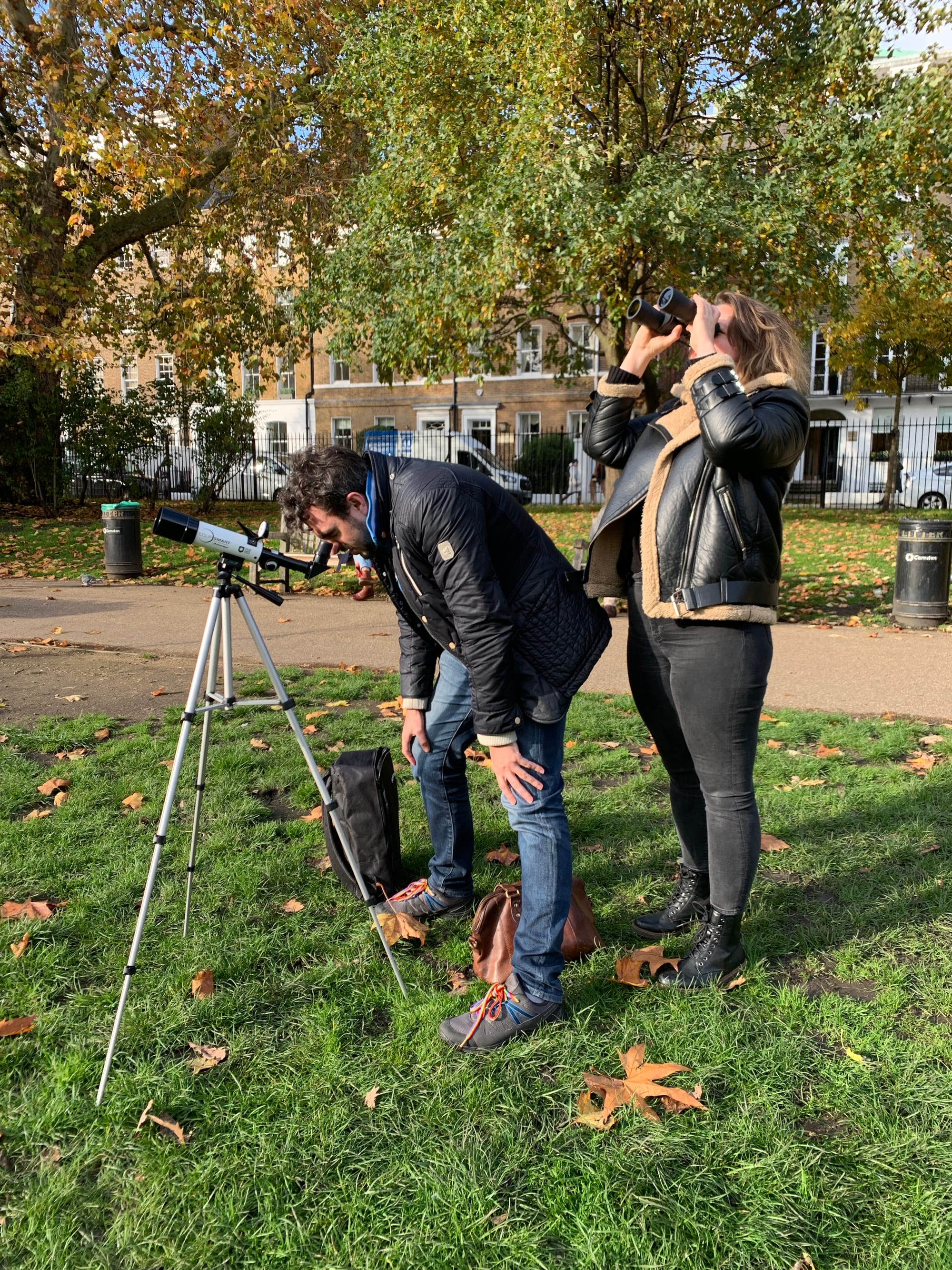
When it comes to planets, we call them transits. From Earth you can only see the transit of Mercury and Venus. If Mars was in front of the Sun, there would be something very wrong with the solar system. Mercury transits happen 13 or 14 times every century, and due to orbital configuration in either May or November. Last time was November 11, 2019, where we struck luck with some sunshine in the park outside work. The next one will be November 13, 2032.
Venus transits are much rarer. They happen also in specific months. You would have two in December, eight years apart. Then there is a gap of 121.5 years. Then two in June, again eight years apart, followed by another long hiatus of 105.5 years.
The last transit of Venus was on 5–6 June 2012 and I was on flights to the north of Norway as it was happening. I had brought my trusty solar glass, and I want to believe that I saw the end of the transit with Venus as a spot on the surface. I have to believe that, because I don't want to wait until December 10, 2117.
Now, back to Saturn. During opposition, it is possible for Saturn to have a transit of Earth. The syzygy happens every 15 years or so. The last was in 2020, and before in 2005.
The one in 2005 was an extra special as we did have a mission around Saturn and it was a central one, with the Earth and the Moon crossing in the middle of the solar disk. That happens only twice in a millennium.
How do I look for Saturn?
I know what you are thinking. Alfredo, we ain't on Saturn and we are not looking at the Earth. It 's the other way round so get to it! And even if you were there, you wouldn't be seeing a major eclipse! Earth is tiny.
So here's what to do tonight and in the coming weeks!
Saturn is visible (even to the naked eye) from after sunset in the East. You can't miss it. While not as bright as Jupiter or Venus, it has the clear telltale sign: it doesn't twinkle unlike stars.
If you have doubts there are a few apps that can help you make sure or even use a place like The Sky Live.
Hope you get clear skies!
Invisible Rainbows is officially out in the States!
You can get your copy wherever you get books, but here are a few links:
 Barnes & Noble
 Alfredo Carpineti
 Wilton Square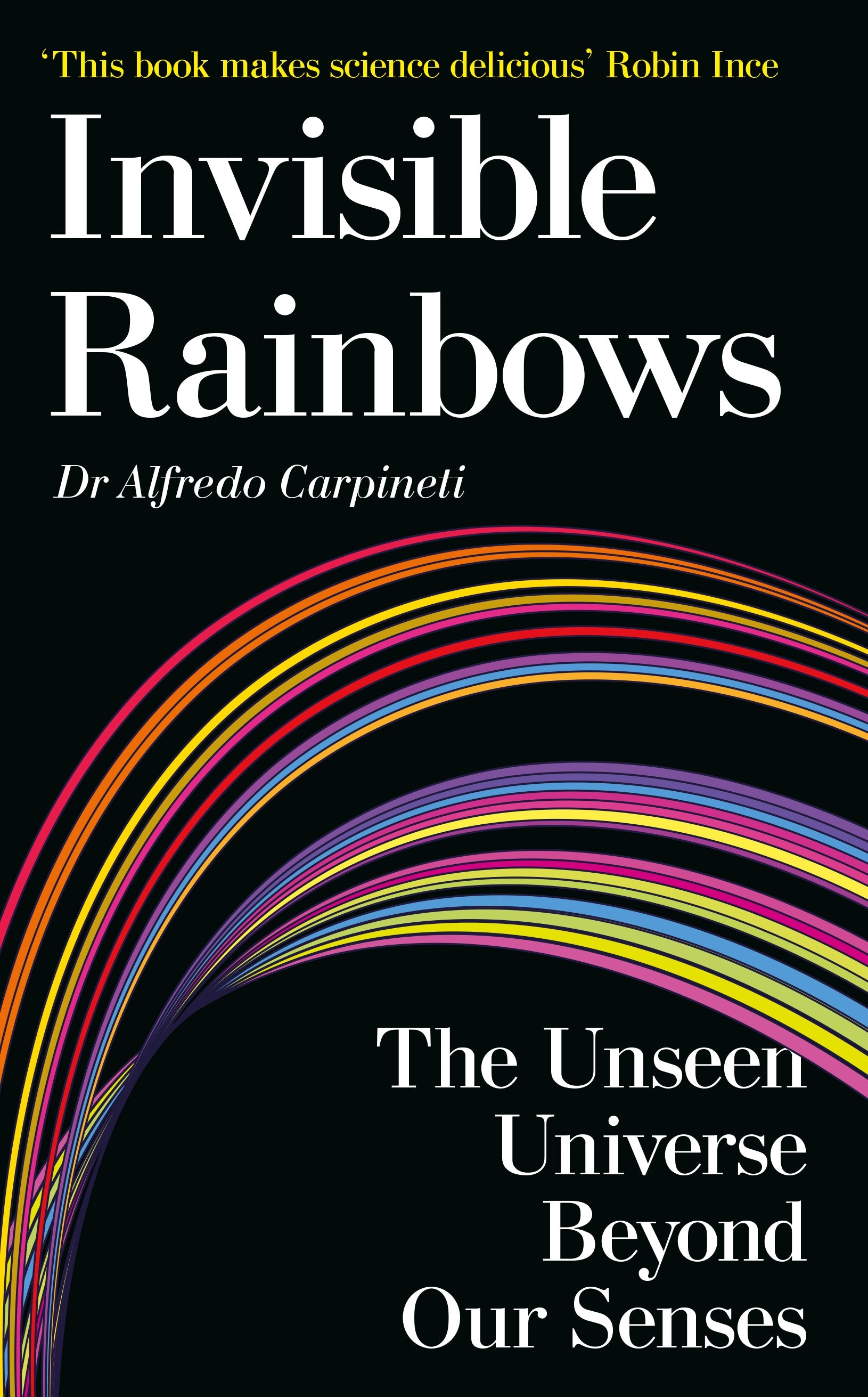
And a brilliant and silly little thing I've done for the U.S. launch: