
Space is good. Space is bad.
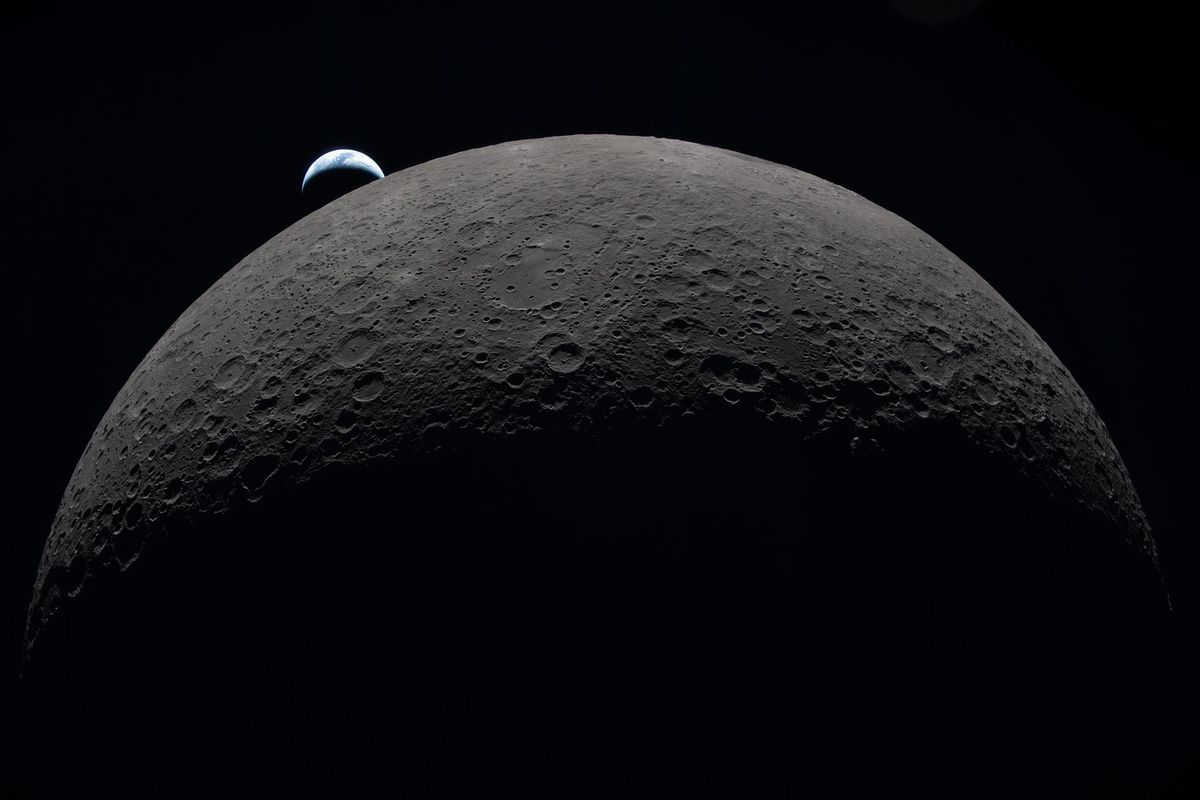
The Artemis II mission has been the focus of much space coverage in the last two weeks. For good reason, the first human mission to deep space in 54 years was a resounding success. The four astronauts (NASA’s astronauts Reid Wiseman, Victor Glover, and Christina Koch, and Canadian Space Agency astronaut Jeremy Hansen) have delivered some awe-inspiring messages and incredible photos and videos of the Earth-Moon system. As an eclipse hunter, I am particularly jealous of their total solar eclipse photo... I doubt I'll be able to get out there on my hunts!

With every big mission, there comes the litany of "Shouldn't we spend this money on Earth?" as if we are tossing big bags of money directly into the Sun and not investing in people and technology that then benefit the planet. Also, it is naive to imagine that if Artemis II did not exist, those $4 billion would have been used for education or helping the poor. Seriously, even during this historic mission, Trump's White House has proposed major cuts to NASA's scientific ambitions, planning to remove 47 percent of that budget. The initial few weeks of the Israel-U.S. war against Iran would have covered all the proposed cuts to scientific and medical research from next year's budget.
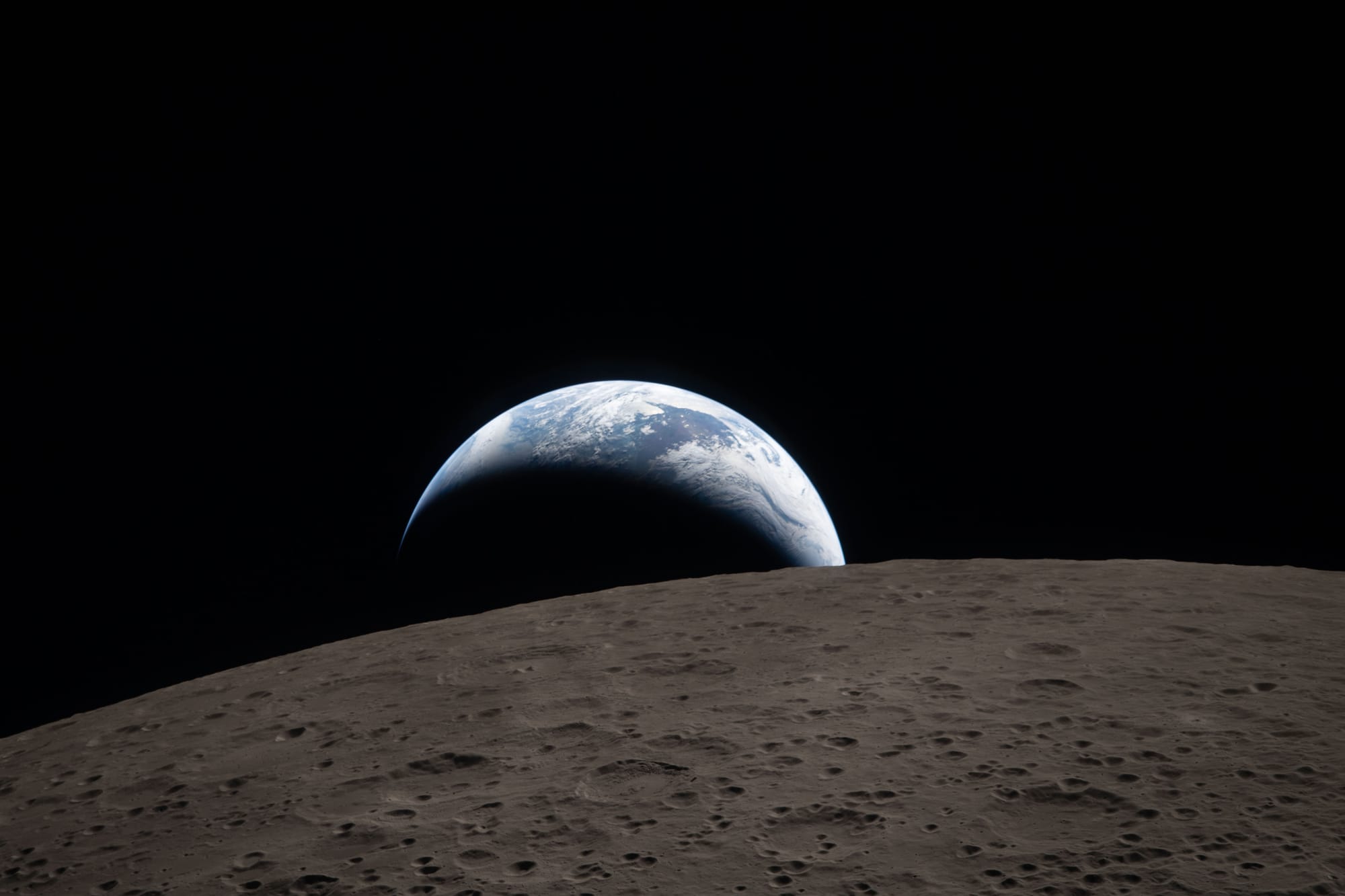
That, in particular, I had in mind this week. While the comments from the astronauts are all about the international aspects of such a mission, the coverage by NASA is certainly jingoistic. The incredible Earth Set and Total Solar Eclipse images were first shared by the White House, right about the time that Trump threatened the genocide of the Iranian people. In part, the question is how we can be excited for NASA's achievement in the context of what is going on in the US and the world right now.
The discussion, I believe, is wider. The military-industrial complex has a strong connection to space exploration. While this week might have provided the most diametrically opposite feelings of elation/dread, the links and overlap exist every day and it has been there from the start.
![A picture of buzz aldrin on the Moon standing with the american flagwith this quote from Carl Sagan. “For me, the most ironic token of [the first human moon landing] is the plaque signed by President Richard M. Nixon that Apollo 11 took to the moon. It reads: "We came in peace for all Mankind." As the United States was dropping 7 ½ megatons of conventional explosives on small nations in Southeast Asia, we congratulated ourselves on our humanity. We would harm no one on a lifeless rock.”](https://storage.ghost.io/c/ff/cc/ffccfb92-cc6a-41bc-9f33-2753b0e86bb5/content/images/2026/04/CSquote.jpg)
I think that, especially in science, we tend to look at the achievement of Apollo as separate to all the other things happening at the same time, bar the Cold War. Apollo 8 and Earthrise are 8 months after the assassination of Martin Luther King Jr. The moon landing is three weeks after the Stonewall riots. We can't continue to pretend that space is something that happens beyond the human and historical context.
Considering that conspiracy theorists are already doing remixes of fake-moon-landing and homophobia, I think it's important to have the complexity and interlink present in our minds whenever we consider any aspect of space exploration. This is the state of play; this is the reality. We need to remember this not as a defeatist acceptance but with the awareness that we can make changes, that things can improve, and that a more peaceful society can exist. So space is bad, but space is also good. Though, space can be a hell of a lot better!
 Wilton Square
Click Here To Pre-Order My Book!
 Alfredo Carpineti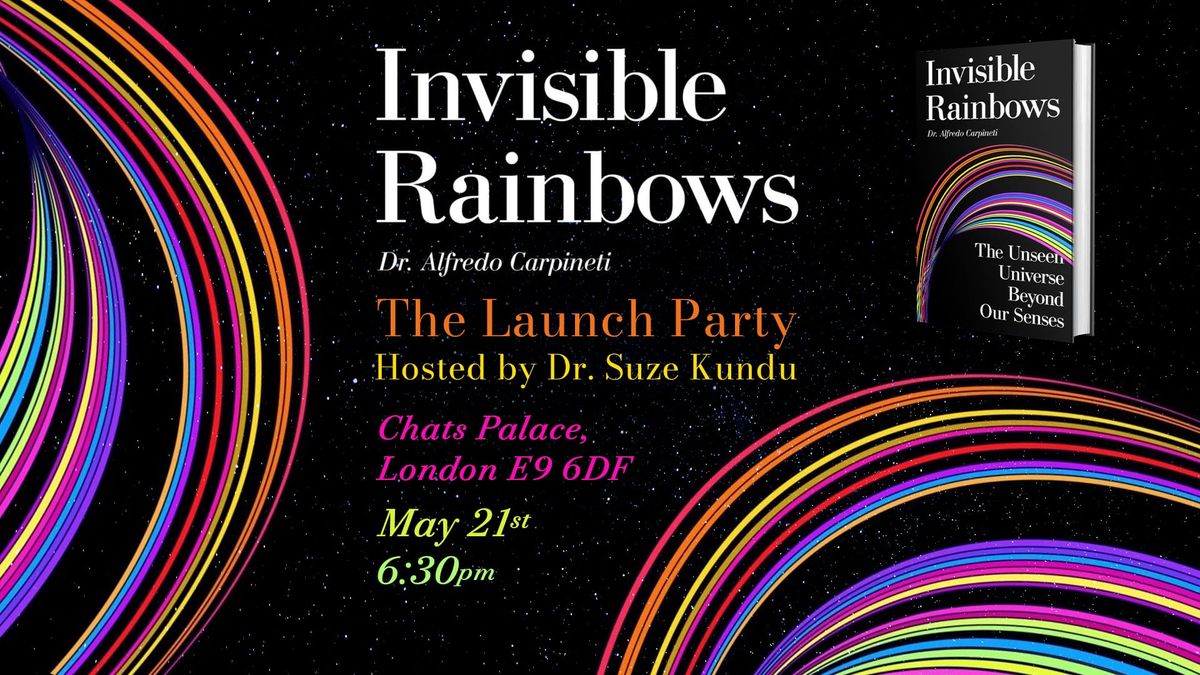
Come along to the London Book Launch on May 21!
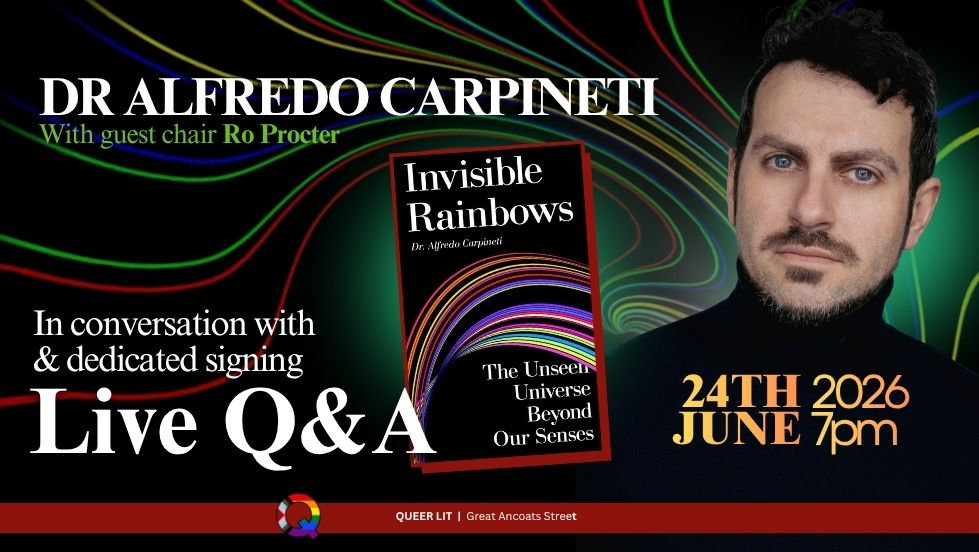
Or come along to Manchester on June 24!